Postpartum Moods and Emotions: What to Expect and Understand
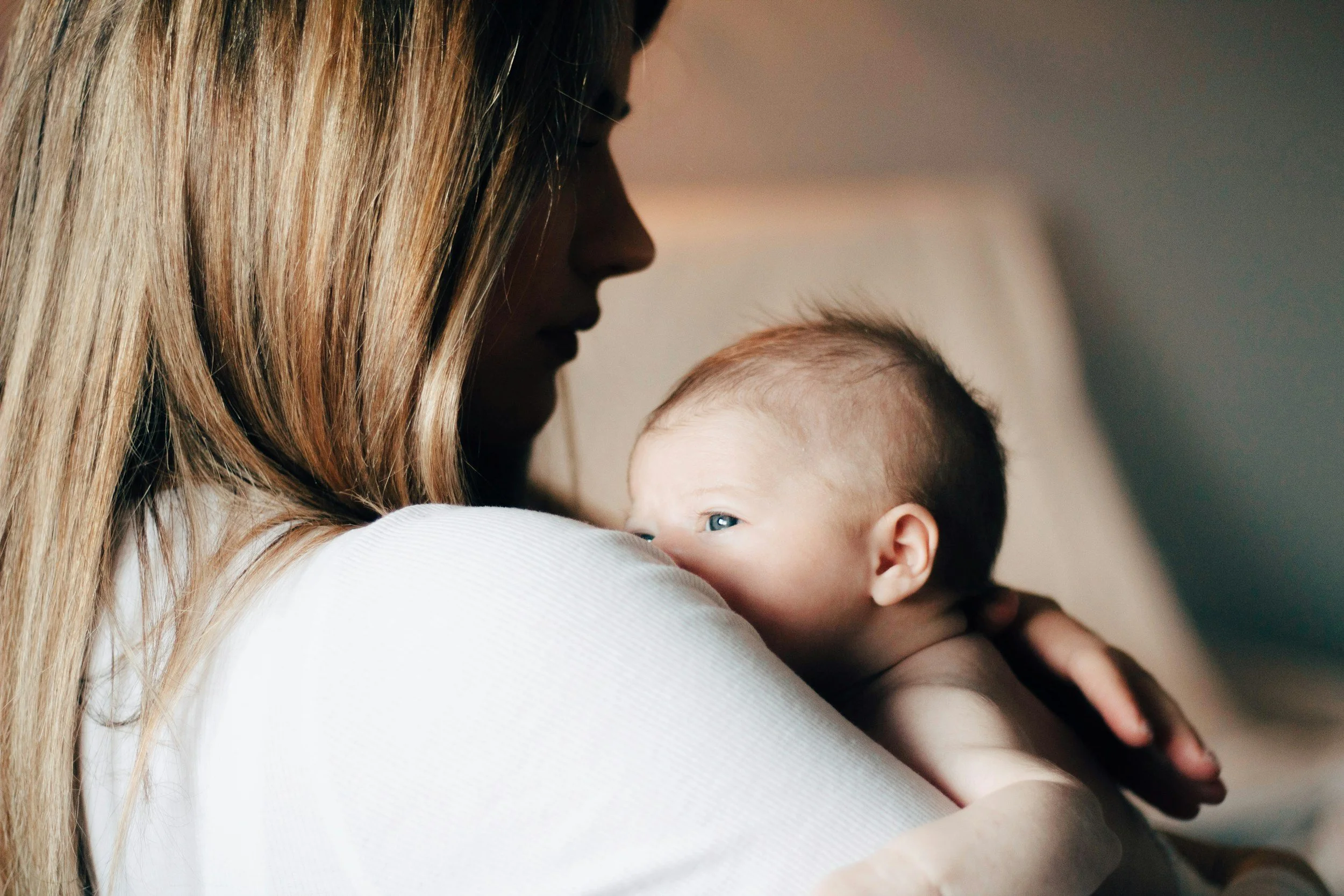
In the days after giving birth, it’s not uncommon to feel like you’re on an emotional rollercoaster. Uncontrollable crying one minute, a sense of euphoria the next, followed by irritation or overwhelm that seems to come out of nowhere.
If that’s been your experience, you’re not alone. A lot of women (some studies say up to 80%) go through what’s often called the “baby blues.” It’s a real, hormonal, and emotional shift.
But there’s a difference between a temporary wave of emotions and something that feels like it’s not letting up.
If those feelings linger beyond the first couple of weeks, start to deepen, or begin to interfere with how you’re thinking, feeling, or functioning day-to-day, it may be more than just the baby blues. Postpartum mood disorders like anxiety and depression occur in about 20% of postpartum individuals. They are treatable, but they do require support.
What makes these conditions especially hard to identify is that the signs and symptoms don’t always look the way people expect them to. Your provider will check in on your mental health at postpartum visits, but you know yourself best. If something feels off, it’s important to pay attention.As well, if your partner has concerns about signs, please reach out as sometimes they might see something that you’re not able to.
Some signs to look out for include:
A heaviness or sadness that doesn’t lift
Anxious or racing thoughts that feel impossible to quiet
Feeling constantly on edge or overwhelmed
Obsessive or intrusive thoughts
Panic attacks or sudden waves of fear
Feeling disconnected or uninterested in things you used to enjoy
Persistent guilt or a sense that you’re “not doing this right”
Feeling inadequate, incapable, or unlike yourself
Ongoing fatigue that feels deeper than just lack of sleep
Trouble falling asleep—or sleeping too much
Changes in appetite
Difficulty focusing or making decisions
Irritability or anger that feels hard to control
Periods of extreme highs followed by deep lows
Feeling disoriented or not fully grounded
Thoughts that don’t feel based in reality
Thoughts of harming yourself
If you’re experiencing any of these signs or have other concerns, please reach out for support. You don’t have to wait until it feels severe.
Postpartum mood disorders are not a reflection of who you are as a mother. Your body and mind go through a lot during the process of growing and birthing a human.
And with the right support, things can feel lighter again.
Want to learn more about our prenatal, birth, and postpartum care options? Connect with us today.